
Bulimia Nervosa is an eating disorder characterised by excessive food consumption and inappropriate compensatory behaviours to control weight, with potentially dangerous consequences.
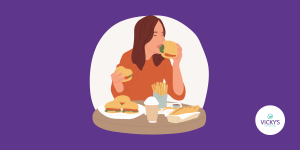
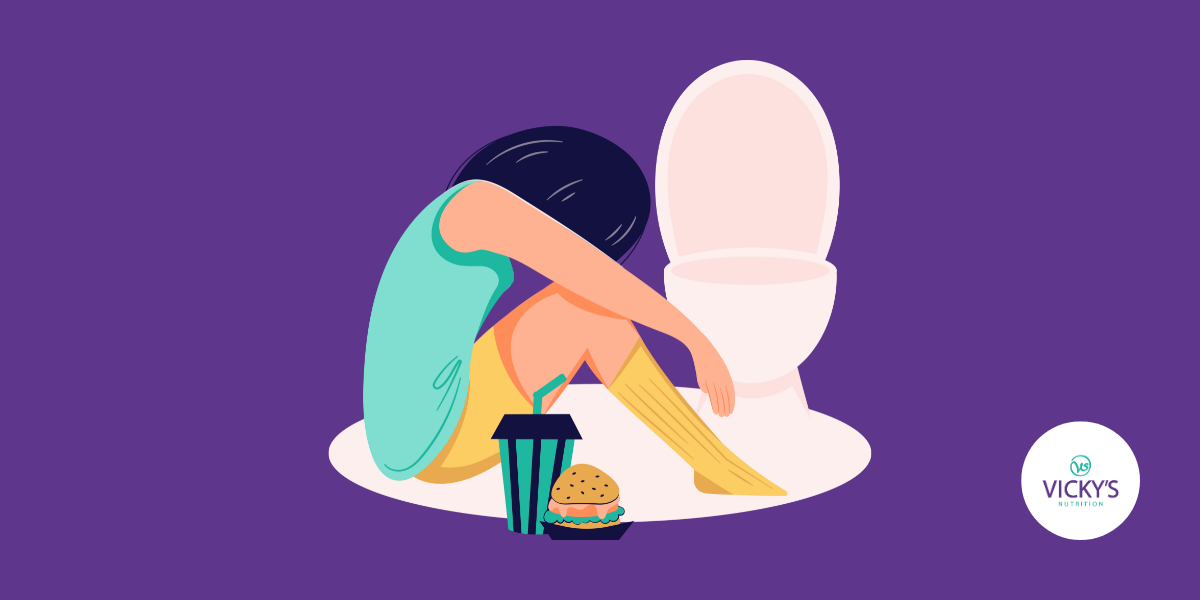
People who suffer from Bulimia Nervosa consume an objectively large amount of food. They later resort to compensatory behavious such as inducing vomiting, using laxatives, over-exercising, or following very strict diets.
Diagnostic criteria of Bulimia
According to the Diagnostic and Statistical Manual of Mental Disorders (DSM, 5th Edition), the diagnostic criteria for bulimia nervosa are:
A. Recurrent episodes of binge eating
An episode of binge eating involves:
- Eating, in a discrete period, an amount of food that is larger than what most individuals would eat under similar circumstances.
- A sense of lack of control over eating during the episode.
B. Recurrent inappropriate compensatory behaviours
These behaviours are aimed at preventing weight gain, such as self-induced vomiting, misuse of laxatives, diuretics, or other medications, fasting, or excessive exercise.
- The binge eating and inappropriate compensatory behaviours both occur, on average, at least once a week for three months.
- Self-evaluation is unduly influenced by body shape and weight.
Bulimia doesn’t have one body. It comes in different sizes & shapes.
Global prevalence of Bulimia Nervosa
A 2022 review of DSM-5 eating disorders among young people found lifetime bulimia nervosa prevalence of about 0.8 – 2.6% of women and 0.1 – 0.2% of men by early adulthood.
According to a large global burden-of-disease (GBD) study, the age-standardised prevalence rate (ASPR) of bulimia nervosa has increased over time. From 0.13% in 1990 to 0.16% in 2017 globally.
Bulimia nervosa is consistently more common in women than men.
What causes Bulimia Nervosa
Biological causes
Genetic predisposition: Εating disorders often run in families. Genetics can influence traits like anxiety, impulsivity, and appetite regulation.
Neurobiological factors: Imbalances in neurotransmitters such as serotonin, dopamine, and norepinephrine may affect mood, impulse control and hunger signals.
Hormonal influences: Hormones involved in hunger and stress such as ghrelin and cortisol may contribute to binge–purge cycles.
Psychological factors
Many individuals with bulimia struggle with feeling of inadequacy, low self-esteem, self-criticism, perfectionism, body dissatisfaction, distorted body image, impulsivity, trauma or emotional distress.
Social and environmental factors
Nowadays, there is cultural pressure to be thin.
Societies that emphasise slimness increase the risk, especially among young women and adolescents. Media and social media often promote and idealise thin body images and “diet culture”.
Families focused heavily on weight, appearance, or dieting can influence eating behaviours. Bullying, appearance-related teasing, or social comparison can also contribute.
Restrictive dieting is one of the strongest predictors of binge eating. When the body is deprived, especially from nutrients, it becomes more vulnerable to loss of control over eating.
Life transitions
Life transitions such as puberty, going to college, relationship problems, stress or academic pressure can trigger or worsen symptoms.
Co-occurring mental health conditions.
Bulimia often occurs alongside: anxiety disorders, depression, obsessive compulsive disorder (OCD), substance use disorders. These conditions may contribute to or result from the binge–purge cycle.
Experiences such as abuse, neglect, or chronic stress can contribute to the development of bulimia.

How to recognise Bulimia Nervosa
The first signs of bulimia nervosa can be subtle, because many people hide their symptoms.
Early recognition is important, as timely treatment leads to better recovery outcomes. Here are the early warning signs to look for:
- Changes in eating behaviours such as eating unusually large amounts of food in a short period, eating secretly or hiding food, skipping meals then eating large amounts later, sudden cravings or loss of control around food, alternating between strict dieting and overeating.
- Dieting Behaviour such as starting a strict diet without a clear reason, frequent comments like “I feel fat” even at a healthy weight, obsession with “healthy eating” that becomes extreme, using gum, water, or caffeine to suppress appetite.
- Bathroom-related very common signs are: going to the bathroom immediately after eating, running water, coughing, or loud noises to disguise vomiting, spending long periods in the bathroom after meals, smell of vomit in the bathroom or on clothing.
- Emotional and Behavioural Changes including: an intense focus on body size, weight, or calorie intake, a pronounced fear or weight gain, noticeable mood fluctuations, increased irritability or anxiety, and a tendency to withdraw socially. This may also involve avoiding shared or eating in the presence of others.
- Changes in exercise such as a sudden increase in exercise intensity or frequency, exercising even when tired, ill, or injured, feeling guilty if they cannot exercise and one of the most common exercising to “burn off” food.
- Subtle Physical Signs which may appear early are the following: fatigue or low energy, sore throat, bloated stomach or digestive discomfort, dry skin, minor dental sensitivity, calluses or redness on knuckles (from inducing vomiting) — though this often appears later.
- Emotional distress around food including shame or guilt after eating, compulsive checking of body weight or shape, avoidance of certain foods labelled as “bad” or “unsafe”.
- Social or Daily-Life Indicators including withdrawal from friends or family, avoiding meals with others, frequent talk about dieting, calories, or body dissatisfaction, hiding or hoarding food, spending large amounts of money on food.
In Bulimia Nervosa patients, weight alone is not a reliable indicator.
Is bulimia nervosa dangerous?
Yes — bulimia nervosa is dangerous if not treated.
It is a serious mental and physical health condition with potentially life-threatening complications.
Eating disorders can affect anyone, regardless of gender, age or socioeconomic status.
Consequences of Bulimia Nervosa
Vomiting related consequences
Vomiting related consequences including swollen cheeks or jaw, dental problems: enamel erosion, tooth sensitivity, tooth decay, gum disease, scars or calluses on knuckles (“Russell’s sign”) from inducing vomiting, sore throat or chronic throat pain, mouth sores, hoarseness, inflamed or swollen salivary glands.
Purging related consequences
Purging related consequences including electrolyte imbalances (may cause fatigue, dizziness, or fainting, weakness, heart issues), dehydration, irregular menstrual cycles, digestive problems (bloating, constipation, stomach pain).
Furthermore, purging depletes fluids and nutrients which can cause kidney problems and hormonal imbalances.
Electrolyte Imbalances (most serious risk)
Purging, especially vomiting or using laxatives, causes loss of key minerals like potassium, sodium, and chloride.
This can lead to arrythmia, heart failure, seizures and sudden death in severe cases.
Problems in digestive system
Problems in digestive system including acid reflux, stomach pain, constipation or diarrhoea, intestinal damage (in severe cases) from excessive laxative use.
Mental health effects
Mental health effects including depression, anxiety, low self-esteem, obsessive thoughts about weight and food, guilt, shame and secrecy around eating, distorted body image, increased risk of self-harm or suicidal thoughts.
Gastrointestinal and digestive issues
Gastrointestinal and digestive issues including acid reflux and heartburn, stomach pain and bloating, constipation or diarrhoea, long-term laxative dependence, oesophageal irritation or tears (rare but serious).
Metabolic and Endocrine Problems
Metabolic and Endocrine Problems including blood sugar imbalances, low body temperature, osteopenia or osteoporosis (bone loss) over time.
Social and Daily-Life
Social and Daily-Life Impacts including distancing from friends and family, avoiding eating in the presence of others, difficulties with schoolwork or maintaining focus, financial stress from purchasing excessive amounts of food, conflicts in relationships and increased isolation driven by shame or fear of being around food.
Long-Term Consequences
Long-Term Consequences (if untreated) including chronic digestive problems, severe dental damage, kidney disease, heart complications, fertility issues and increased overall health risks and reduced quality of life.
Treatment of Bulimia Nervosa
The treatment requires a comprehensive, multidisciplinary approach addressing medical, psychological (CBT most effective approach) and nutritional aspects.
Recovery is possible, especially with early intervention
Nutritional rehabilitation
A nutritionist or dietitian must be specialised in eating disorders. The first focus is to correct electrolyte imbalances and reduce the compensatory behaviours.
The essential elements to achieve recovery and maintain it is through nutritional education: restoration of normal eating patterns, reductions of compensatory behaviours, correction of distorted beliefs about nutrition.
In other words, I’m going to teach you how to eat and nourish your body.
The treatment of bulimia nervosa does not aim solely at a healthy body weight, as this alone is not an indication of recovery. Often a person may reach a normal weight but gain it again due to distorted perceptions about their body and food.
Other professionals who are important in the treatment: a therapist, a personal trainer due to issues of the musculoskeletal system, a cardiologist -regular check-ups due to heart malfunction, a GP- regular blood tests, a gynaecologist-hormonal profile and a psychiatrist-if medication is needed.
Bulimia nervosa is treatable and with the right support, most people recover.
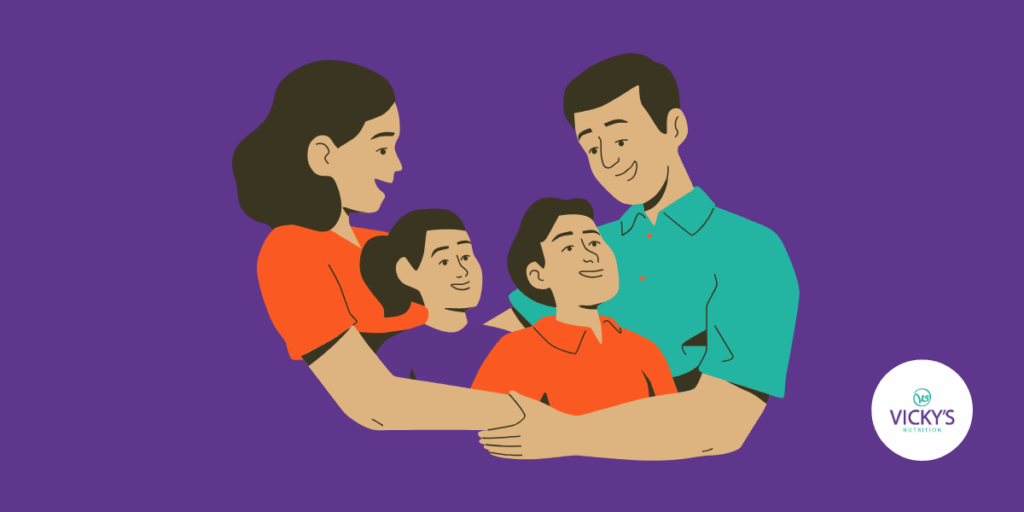
The role of family in Bulimia Nervosa recovery
The most important help and support will come from the family.
Family needs to understand how food can affect a person’s relationship with body image and eating behaviours. Eating disorders are not something a person chooses.
Including family in the therapeutic process will help the patient to trust them and will encourage open communication. Moreover, family’s education and awareness will create a supportive environment which will be highly beneficial to the affected person.
Bulimia is treatable. Recovery takes time and patience but with the professional team and family support, most people can regain both physical health and emotional balance.

Professional help in Bulimia Nervosa by Vicky’s Nutrition
Do you or someone who you care about has symptoms or suffers from Bulimia? I am here to help!
I am a professional Nutritionist and a Certified Master Practitioner in Eating Disorders and Obesity from the British Psychology Society and I can support you with face to face or online sessions.
All sessions are strictly confidential. The only other person who I will share anonymously segments of our work with, is my Clinical Supervisor. Feel free to contact me using any of following methods:
- Call me at +44 7580 959879
- Submit a contact form on my website
- email me at info@vickysnutrition.com