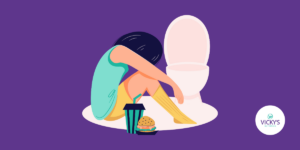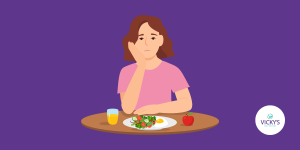


Anorexia nervosa is a serious mental health and eating disorder, characterised by an intense fear of gaining weight.
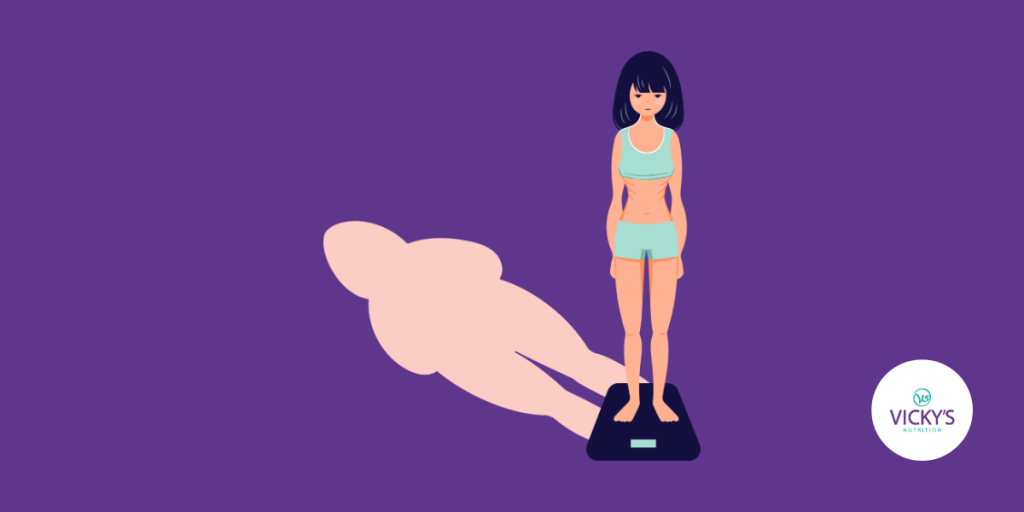
Even when underweight, people struggling with Anorexia fear they’ll become “fat”.
Furthermore, some other characteristics are a distorted body image (body dysmorphia), constant worry about their shape, a severe restriction of food intake leading to a significant weight loss and malnutrition.
Diagnostic criteria of Anorexia according to DSM5
The Diagnostic and Statistical Manual of Mental Disorders (DSM, 5th Edition) is the standard classification of mental disorders used by mental health professionals in the United States and much of the world.
Often called the “bible of psychiatry,” it provides the definitive criteria for diagnosing mental health conditions. According to it, the diagnostc criteria of Anorexia Nervosa are:
- Persistent restriction of food intake, leading to significant low body weight for age, sex, developmental stage and physical health
- Intense fear of gaining weight or becoming fat, even though underweight
- Disturbance in the way in which one’s body weight or shape is experienced, undue influence of body weight or shape on self-evaluation or denial of the seriousness of the current low body weight.
Even if all the criteria above are not met, a serious Eating Disorder can be still present.
Anorexia doesn’t have one body. It comes in different sizes & shapes.
Global prevalence
Based on the American journal of clinical nutrition, global eating disorder prevalence increased from 3.5% to 7.8% between 2000 and 2018.
Based on a Harvard report in 2020, every 52 minutes 1 person dies as a direct consequence of an eating disorder.
Anorexia Nervosa has the highest mortality rate of any psychiatric disorder. Estimated 5-10% lifetime mortality due to medical complication or suicide.
Types of Anorexia Nervosa
Restricting type
Weight loss is primarily because of dieting, fasting, restricting or excessive exercise.
There are no recurrent binge eating or purging episodes in the last 3 months.
Binge eating/purging type
There are recurrent episodes of binge eating or purging (self-induced vomiting, misuse of laxatives, diuretics or enemas) within the last 3 months.
What causes Anorexia?
Biological causes
Genetic factors, including having a family member with an ED, heritability (twin studies show that 50-70% of the risk for AN is heritable) and genes affecting serotonin and dopamine may play a role.
Brain and hormonal factors, including altered brain function in areas controlling hunger, reward and body image (especially hypothalamus and insula) and hormonal imbalances (low leptin, low oestrogen) can contribute appetite suppression and distorted hunger cues.
Neurochemical imbalance such as low serotonin and low dopamine.
Psychological causes
Personality traits: Perfectionism, obsessive-compulsive tendencies, low self-esteem, fear of failure, need for control.
Emotional factors: Difficulty expressing emotions (alexithymia), anxiety or depression, trauma or loss.
Sociocultural causes
Cultural pressure such as societal ideals of thinness, social media and media in general, reinforce unrealistic body standards, peer pressure and comparison.
Overprotective family, controlling or highly achievement-focused families. Criticism about weight or body shape during childhood or adolescence. Family history of dieting or body dissatisfaction.
Environmental & life events including stressful events (trauma), participation in activities emphasising thinness or appearance (ballet, gymnastics, modelling, etc), comments on body weight or shape and diet culture, one simple diet can trigger anorexia.
How to recognise Anorexia
Eating disorders prefer to remain hidden, manifest in silence and act in secrecy.
Sometimes is very difficult to understand who is struggling from an Eating Disorder just from their body weight or shape. There are some signs though that parents, cares, even friends and other family members should pay attention to.
Most common signs are significant weight loss or failure to gain weight according to growth chart in children and adolescents, intense fear of gaining weight, excessive concern about body image and absence or delay of menstruation.
Moreover, a person struggling from Anorexia is usually skipping meals, following very low-calorie diets, inducing vomit, overexercising to burn calories or using laxatives to “remove” them.
Some other signs can be isolation, social withdrawal, obsession with food-related issues such as calorie counting, obsession with “good” and “bad” food, constant reading of nutrition labels, choosing only “light” and “diet” foods.
Even if one of the above exists, please seek professional help immediately.
Eating disorders do not discriminate based on gender, age or socioeconomic status.
Is Anorexia nervosa dangerous?
Yes! Anorexia is a very dangerous mental health disorder both physically and psychologically.
It has one of the highest mortality rates of any mental health disorder due to the severe effects of starvation and potential medical complications.
Physical dangers include severe malnutrition which can lead to muscle loss, weakness, organ damage, heart issues such as arrythmias, low blood pressure, heart failure, electrolyte imbalances which can be life threatening.
Moreover, osteoporosis (bone loss) due to lack of calcium and hormonal imbalance, amenorrhea and infertility in females and low body temperature, fatigue, fainting.
Physiological dangers including depression and anxiety (very common), obsession about food, weight, body dysmorphia, self-harming and use of substances. The risk of suicide is significantly higher than average.
Consequences of Anorexia
- Cardiovascular system including low blood pressure and slow heart rate, arrythmia and high risk of heart failure.
- Endocrine system including amenorrhea in females, low testosterone in males, infertility and cold intolerance due to low thyroid hormone levels.
- Gastrointestinal system including constipation and bloating, gastroparesis (delayed stomach emptying), abdominal pain.
- Musculoskeletal system including loss of muscle mass, osteopenia, osteoporosis, increased risk of fractures.
- Nervous system including difficulty in concentrating, nerve damage, brain volume loss.
- Skin, hair, nails including dry, yellow skin, hair thinning or loss, growth of lanugo (fine hair) to keep body warm.
- Immune system is weakened which can lead to frequent infections.
- Long term consequences including permanent organ damage (heart, bones, kidneys), chronic fatigue and infertility.
Treatment of Anorexia Nervosa
The treatment requires a comprehensive, multidisciplinary approach addressing medical, psychological and nutritional aspects.
Recovery is possible, especially with early intervention
Nutritional rehabilitation
A nutritionist or dietitian must be specialised in eating disorders.
The first focus is to correct electrolyte imbalances and manage the malnourishment. If the person is severely underweight or medically unstable (dehydration, hearth irregularities, organ dysfunction) hospitalisation may be necessary.
The treatment of Anorexia Nervosa does not aim solely at restoring body weight, as this alone is not an indication of recovery. Often a person may reach a normal weight but lose it again due to distorted perceptions about their body and food.
The essential elements to achieve recovery and maintain it is through nutritional education: restoration of normal eating patterns, reductions of compensatory behaviours, correction of distorted beliefs about nutrition. In other words, I’m going to teach you how to eat and nourish your body.
Other professionals who are important in the treatment
A therapist, a personal trainer due to issues of the musculoskeletal system, a cardiologist -regular check-ups due to heart malfunction, a GP- regular blood tests, a gynaecologist-hormonal profile, regulate amenorrhea and a psychiatrist-if medication is needed.
The role of family in Anorexia recovery
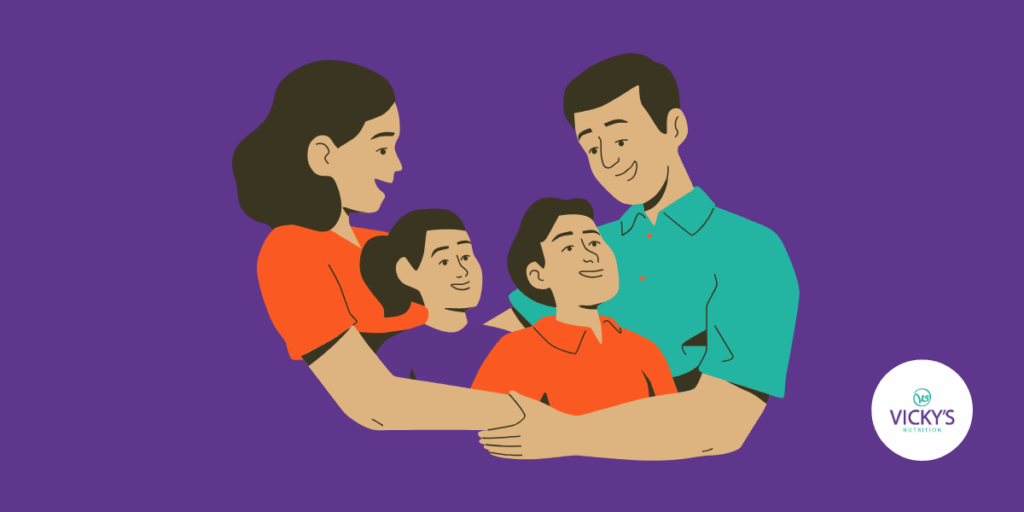
The most important help and support will come from the family. A family member (or a friend if there is no family member) will be the “carer”.
A carer is an appointed person who will be responsible for the person who struggles with Anorexia. They will be responsible for preparing meals (plans by a nutritionist/dietitian), serving it and accompany the patient during mealtimes.
Anorexia is treatable. Recovery takes time and patience but with the professional team and family support, most people can regain both physical health and emotional balance.
Professional help in Anorexia Nervosa by Vickys Nutrition
Do you or someone who you care about has symptoms or suffers from Anorexia? I am here to help!
I am a professional Nutritionist and a certified Master Practitioner in Eating Disorders and Obesity from the British Psychology Society and I can support you with face to face or online sessions.
All sessions are strictly confidential. The only other person who I will share anonymously segments of our work with, is my Clinical Supervisor. Feel free to contact me using any of following methods:
- Call me at +44 7580 959879
- Submit a contact form on my website
- email me at info@vickysnutrition.com