
Bioelectrical Impedance Analysis


What is Bioelectrical Impedance Analysis (BIA)?

Bioelectrical Impedance Analysis is a non-invasive method for estimating body composition by sending very low, harmless electrical current through your body.

It measures impedance (resistance and reactance) based on the principle that tissues with higher water and electrolyte content, like muscle, conduct electricity easier than fat.

Bioelectrical Impedance Analysis

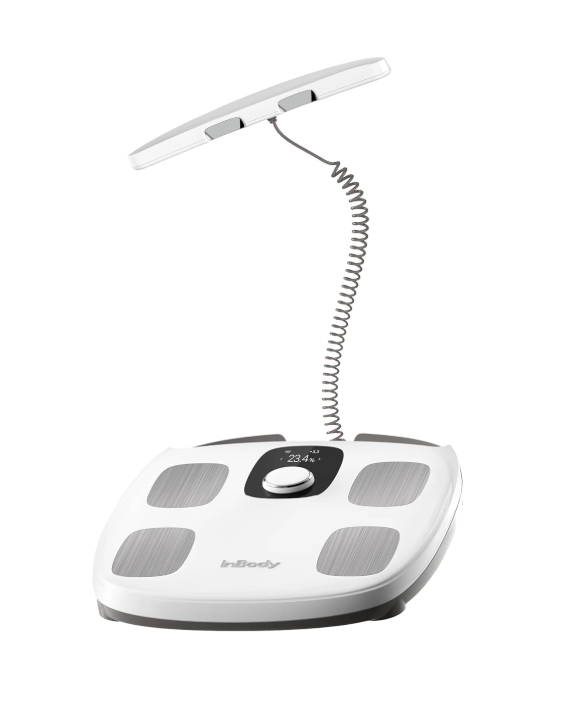
InBody Dial H30

Weight
Skeletal Muscle Mass
Body Fat Mass
Body Mass Index (BMI)
Percentage Body Fat
Waist Hip Ratio
Visceral Fat Level
Soft Lean Mass
Inbody Score
Body Balance Evaluation
Basal Metabolic Rate (BMR)
Growth Graph
InBody Dial H 30 uses a Triple Frequency technique, 4-pole 8-point tactile electrodes to evaluate body composition, including the measurement of water content within your cells, leading to higher accuracy for at-home assessments.

Vicky Skarvatsopoulos Nutritionist in Norwich
Vicky Skarvatsopoulos

Frequently Asked Questions

How can I prepare myself for the test?
  • Take the test on an empty stomach before eating, allow 3 hours after eating. Any food in the stomach may affect the weight, be regarded as body composition, and cause a measurement error.
  • Use the bathroom before testing. Urine or faeces which is not included in the body’s compositional elements can influence weight and lead to measurement inaccuracies.
  • Avoid exercising at least 3-4 hours before testing. Any exercise can cause temporary changes in body composition.
  • Take the test before taking a shower/bath. The body water may be temporarily changed as blood flow rate increases and as you sweat.
  • Stand for five minutes before taking the test. If you take the test standing after lying or sitting down for hours, body water may move to the lower body, affecting the test.
  • Before the test, remove your socks and shoes and wipe your palms and soles with a wet tissue to keep them moist. If your hands and feet are dry, the test may not proceed, or inaccurate measurements could result in incorrect test outcomes.

The impedance measurement takes 15 seconds or less.

Contact form