Graduate of the department of Nutrition and exercise science of University of Westminster in London and certified Master Practitioner in Eating Disorders and Obesity from the British Psychology Society in Eating Disorders and Obesity.
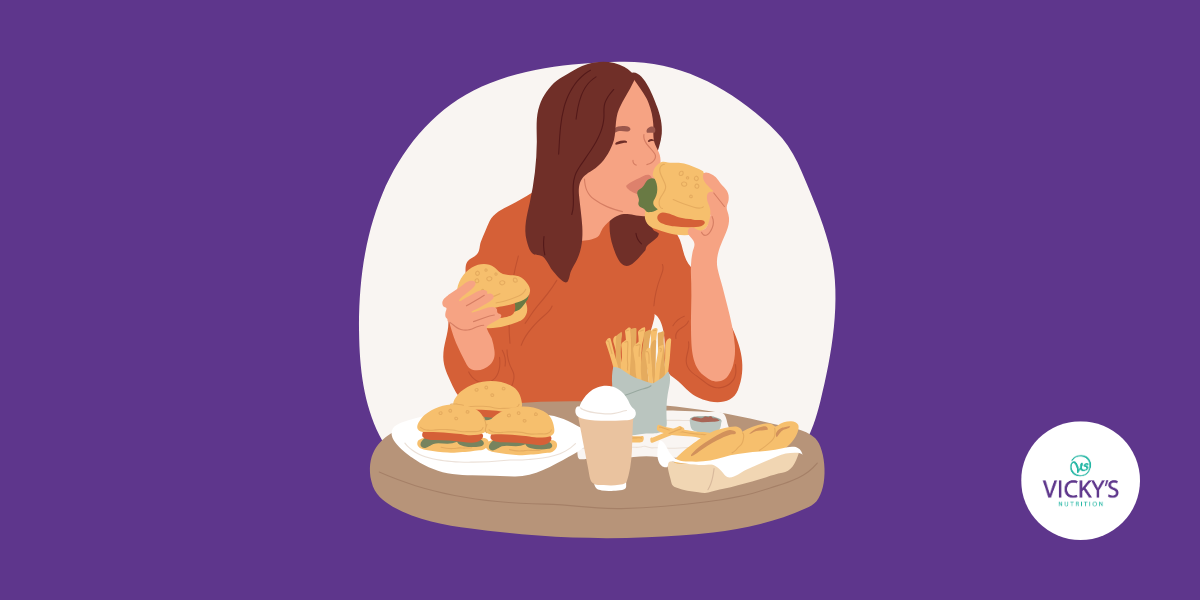
Binge Eating Disorder (BED) is a recognised eating disorder characterised by recurrent episodes of binge eating, a sense of loss of control during eating, and significant distress about the behaviour.
Unlike other eating disorders, BED is not accompanied by regular compensatory behaviours such as self-induced vomiting, laxative misuse, fasting, or excessive exercise.
A binge-eating episode involves:
Eating an amount of food that is clearly larger than most people would eat in a similar period (usually within about two hours)
Feeling unable to stop eating or control what or how much is being eaten
Diagnostic criteria of Binge Eating Disorder according to DSM5
To meet the diagnostic criteria for Binge Eating Disorder, an individual must experience recurrent binge-eating episodes associated with significant emotional distress.
Episodes occur, on average, at least once per week for three months and are associated with at least three of the following:
Eating much more rapidly than normal
Eating until feeling uncomfortably full
Eating large amounts of food when not physically hungry
Eating alone because of embarrassment about the amount eaten
Feeling disgusted, depressed, or guilty after eating
The binge eating is not regularly accompanied by behaviours intended to prevent weight gain and does not occur exclusively during Anorexia Nervosa or Bulimia Nervosa.
Binge Eating Disorder affects people of all body sizes, ages, genders & backgrounds.
Global prevalence of Binge Eating Disorder
BED is one of the most common eating disorders worldwide.
Prevalence estimates vary depending on the diagnostic criteria used and the populations studied, but research consistently shows that Binge Eating Disorder occurs more frequently than Bulimia Nervosa in the general population.
Studies estimate lifetime prevalence rates between approximately 1% and 2%, with some analyses reporting rates above 2%. BED affects both women and men, although it is generally more common among women.
Binge Eating Disorder is one of the most common eating disorders worldwide.
What causes Binge Eating Disorder?
There is no single cause of BED.
Instead, it develops through a complex interaction of biological, psychological, and environmental factors.
Biological factors
Research suggests that Binge Eating Disorder has a significant genetic component.
Family and twin studies show that eating disorders often run in families. Differences in brain systems involved in reward processing, appetite regulation, and impulse control may also contribute to binge-eating behaviours.
Psychological factors
Binge Eating Disorder is strongly associated with mental health difficulties such as depression, anxiety, low self-esteem, poor body image, and difficulties regulating emotions.
For many individuals, binge eating becomes a way of coping with stress, loneliness, sadness, or emotional distress.
Neurobiological Reward Sensitivity
Some individuals with Binge Eating Disorder appear to have heightened responses to food-related rewards.
Highly palatable foods may activate reward pathways more strongly, making binge eating more difficult to control.
Diet culture
Repeated dieting, food restriction, and attempts to control weight can increase the risk of binge eating.
Restriction often leads to intense hunger, feelings of deprivation, and a greater likelihood of overeating.
Social and environmental factors
Based on World Health Organisation, cultural pressures that emphasise thinness, appearance, and weight control can contribute to body dissatisfaction and disordered eating behaviours.
Weight stigma, bullying, and social pressure may increase vulnerability to Binge Eating Disorder.
Trauma and Adverse Life Experiences
Individuals with BED report higher rates of childhood abuse, neglect, bullying, and other stressful life experiences.
These experiences may contribute to emotional difficulties that increase the risk of binge eating.
Co-occurring mental health conditions
Bulimia often occurs alongside: anxiety disorders, depression, obsessive compulsive disorder (OCD), substance use disorders.
These conditions may contribute to or result from the binge–purge cycle.
Binge eating may function as a coping mechanism to manage negative emotions, stress, loneliness or emotional distress.
How to recognise Binge Eating Disorder?
Binge Eating Disorder can be identified through behavioural, emotional, and physical signs.
Emotional and Psychological Signs
Individuals with Binge Eating Disorder frequently experience feelings of guilt, shame, or depression following binge-eating episodes.
They may become preoccupied with food, body weight, or eating behaviours and often struggle with low self-esteem, poor body image, anxiety, or depression. Food may also be used as a way to cope with emotional distress.
Physical Signs
Physical signs of Binge Eating Disorder can include weight fluctuations, weight gain, bloating, stomach discomfort after binge episodes, and persistent fatigue.
Over time, BED may increase the risk of developing obesity-related health conditions, including type 2 diabetes, hypertension, and cardiovascular disease.
The difference between Binge Eating Disorder and Bulimia Nervosa
The main difference between Binge Eating Disorder and Bulimia Nervosa (BN) is the absence of regular compensatory behaviours in BED.
People with Bulimia Nervosa typically attempt to prevent weight gain through behaviours such as vomiting, fasting, misuse of laxatives, or excessive exercise. Individuals with BED do not regularly engage in these behaviours.
In Binge Eating Disorder patients, weight alone is not a reliable indicator.
Is Binge Eating Disorder dangerous?
Yes!
Although BED does not involve the purging behaviours seen in Bulimia Nervosa, it is still a serious mental health condition that can lead to significant physical, psychological, and social consequences if left untreated.
Eating disorders do not discriminate based on gender, age or socioeconomic status.
Consequences of BED
Physical Consequences
BED can lead to weight gain and increase the risk of obesity-related health conditions, including type 2 diabetes, hypertension, cardiovascular disease, and elevated cholesterol levels.
Individuals may also experience gastrointestinal problems such as bloating, stomach pain, digestive discomfort, and sleep disturbances, including sleep apnoea.
Psychological Consequences
BED is often associated with significant emotional distress, including feelings of guilt, shame, and embarrassment following binge-eating episodes.
Many individuals experience low self-esteem, negative body image, depression, and anxiety, which can contribute to a cycle of emotional distress and further binge eating.
Social and Functional Consequences
The disorder can affect relationships, education, work performance, and overall quality of life.
Individuals may withdraw from social situations due to embarrassment about their eating behaviours or body weight.
Long-Term Consequences (if untreated)
BED can become a chronic condition.
The combination of psychological distress and physical health complications can significantly affect overall well-being and increase healthcare needs over time.
Treatment of Binge Eating Disorder
Treatment of BED usually involves a combination of nutritional, psychological, and medical approaches.
The main goal is to reduce binge eating episodes, improve emotional well-being, and develop healthier eating behaviours. Treatment is often provided by a multidisciplinary team that may include a nutritionist or dietitian, psychologist, physical therapist, and general practitioner (GP).
Nutritional rehabilitation
From a nutritionist’s perspective, treatment of Binge Eating Disorder focuses on nourishment, restoring normal eating patterns and improving the patient’s relationship with food rather than only achieving a healthy body weight, as weight alone is not an indication of recovery.
Individuals with BED often follow restrictive diets or skip meals, which can increase hunger and trigger binge episodes.
A specialised nutritionist or dietitian provides nutrition education to help patients establish regular and balanced meals, reduce restrictive eating behaviours, and correct distorted beliefs about food and nutrition.
Treatment also encourages mindful eating and recognition of hunger and fullness cues, while helping patients manage feelings of guilt, shame, and “all-or-nothing” thinking associated with eating.
Psychological support
Therapy is an important part of treatment because binge eating is often linked to emotional distress, anxiety, and low self-esteem.
Cognitive Behavioural Therapy (CBT) is one of the most effective treatments, helping individuals change unhelpful thoughts and behaviours related to food and body image.
BED is treatable and with the right support, most people recover.
The role of family in Binge Eating Disorder recovery
Family plays an important role in the treatment and recovery of BED by providing emotional support and helping create a healthy eating environment.
Supportive family members can encourage regular meals, reduce judgment around food, and help the individual follow treatment plans recommended by healthcare professionals.
A positive and understanding family environment may reduce stress, shame, and emotional triggers that contribute to binge eating episodes.
Families can also support recovery by learning about Binge Eating Disorder and avoiding criticism about weight, body shape, or eating habits. Encouraging open communication and promoting healthy coping strategies can improve the patient’s self-esteem and emotional well-being.
In some cases, family involvement in therapy sessions may help strengthen support systems and improve long-term recovery outcomes.
Binge eating disorder is treatable. Recovery takes time and patience but with the professional team and family support, most people can regain both physical health and emotional balance.
Professional help in Binge Eating Disorder by Vicky’s Nutrition
Do you or someone who you care about has symptoms or suffers from Binge Eating Disorder? I am here to help!
I am a professional Nutritionist and a Certified Master Practitioner in Eating Disorders and Obesity from the British Psychology Society and I can support you with face to face or online sessions.
All sessions are strictly confidential. The only other person who I will share anonymously segments of our work with, is my Clinical Supervisor. Feel free to contact me using any of following methods:
ARFID is a serious eating disorder characterised by extreme food avoidance or restriction based on sensory issues, lack of appetite, or fear of negative consequences
Bulimia Nervosa is an eating disorder characterised by excessive food consumption and inappropriate compensatory behaviours to control weight, with potentially dangerous consequences. People who suffer
Anorexia nervosa is a serious mental health and eating disorder, characterised by an intense fear of gaining weight. Even when underweight, people struggling with Anorexia